
EQ Safe Architecture
Contact… DESIRE… SIGHTS… BRIDGE…
Not the EQ itself, but collapsing buildings cause death and bring social and economic consequences. Therefore architects and structural engineers are directly responsible in this context.
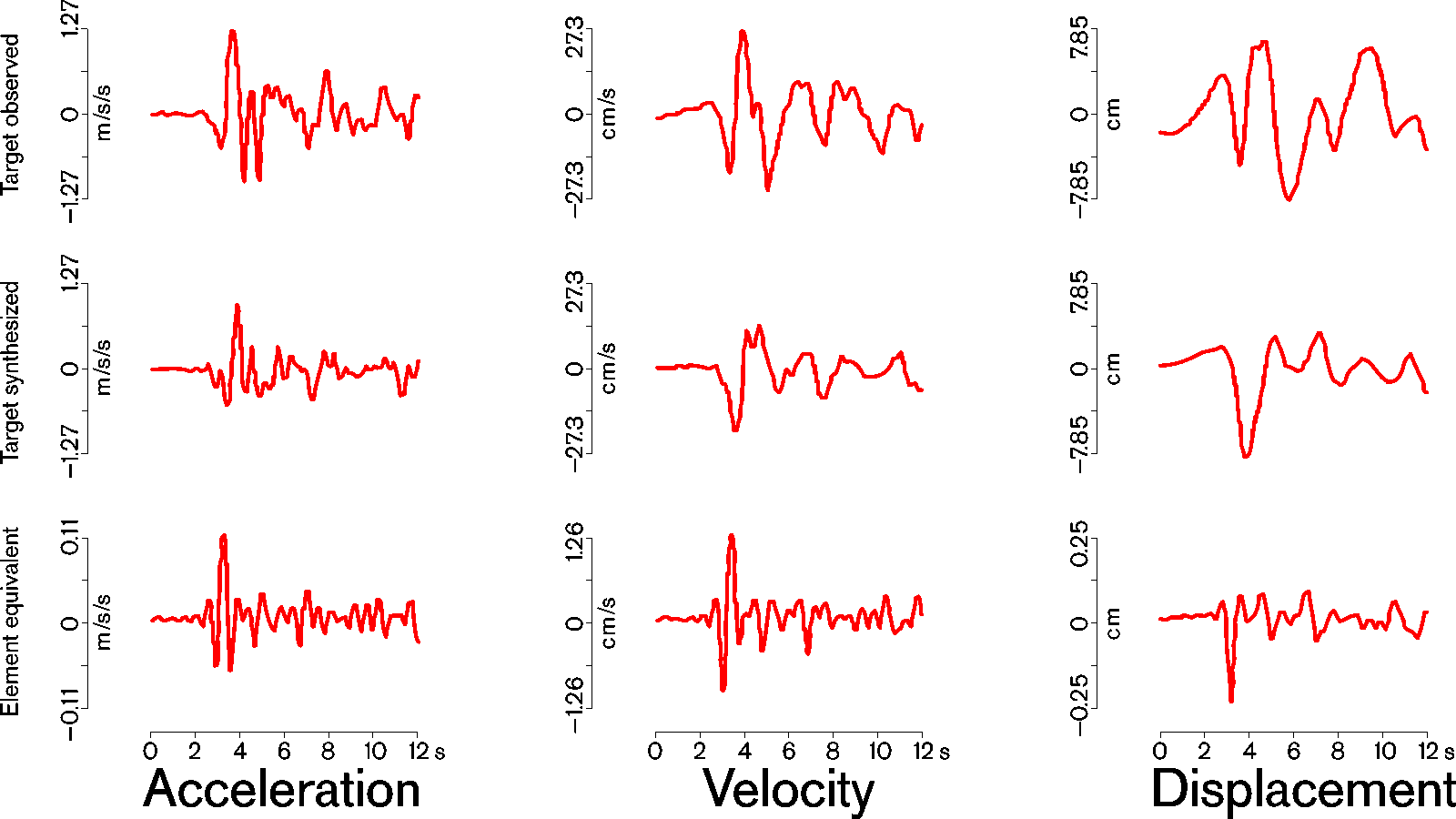
Typical values for acceleration, velocity and displacement of strong EQs:
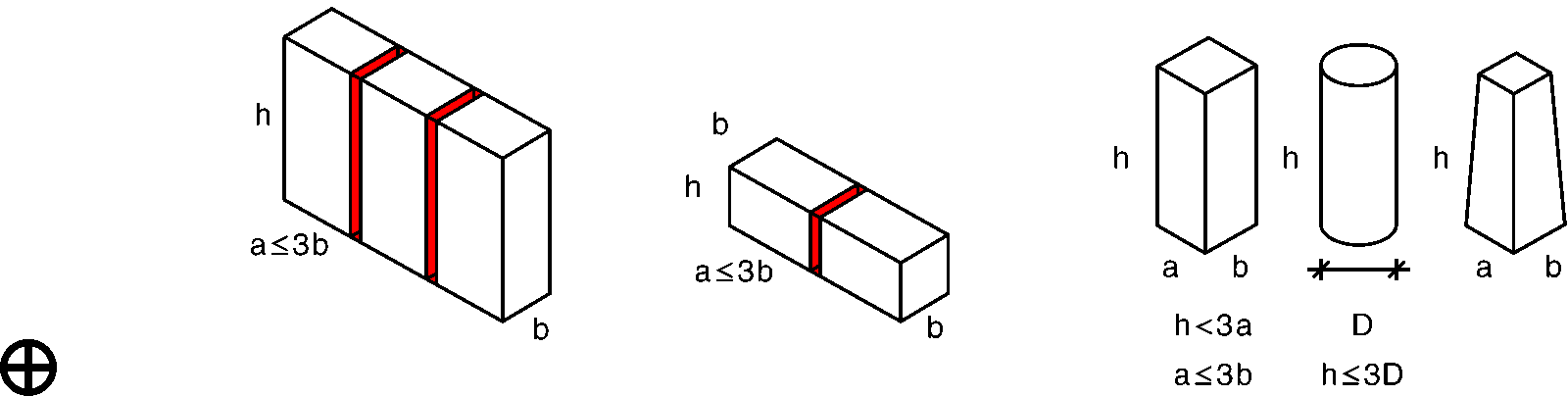
Subdivision of huge buildings with complex design:

Advantageous building shapes:
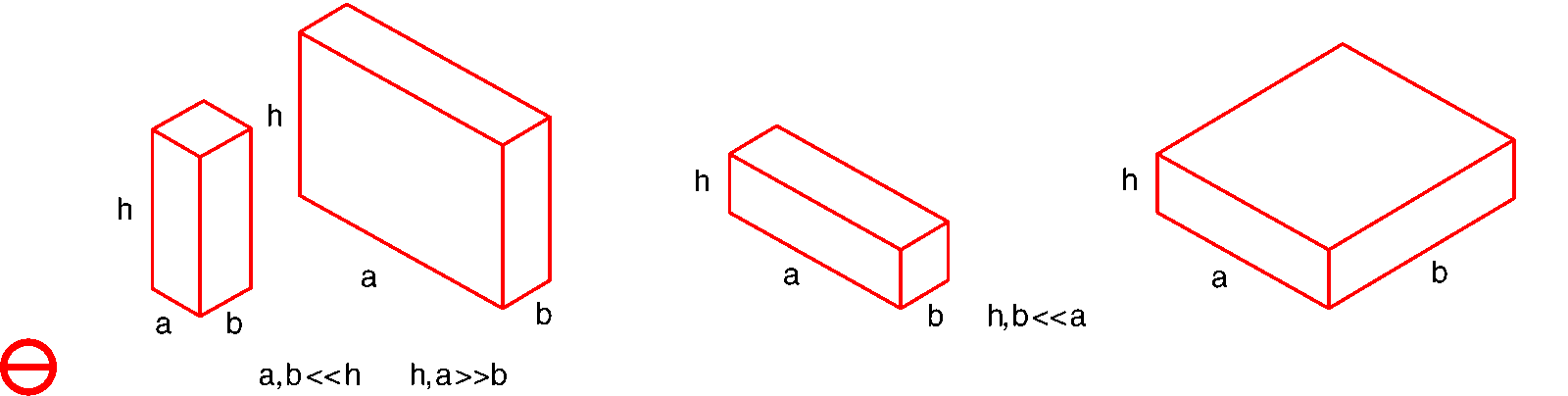
Disadvantageous building shapes:
Favourable elevation design:

Inappropriate elevation design:

Favourable allocation of mass and stiffness in elevation:
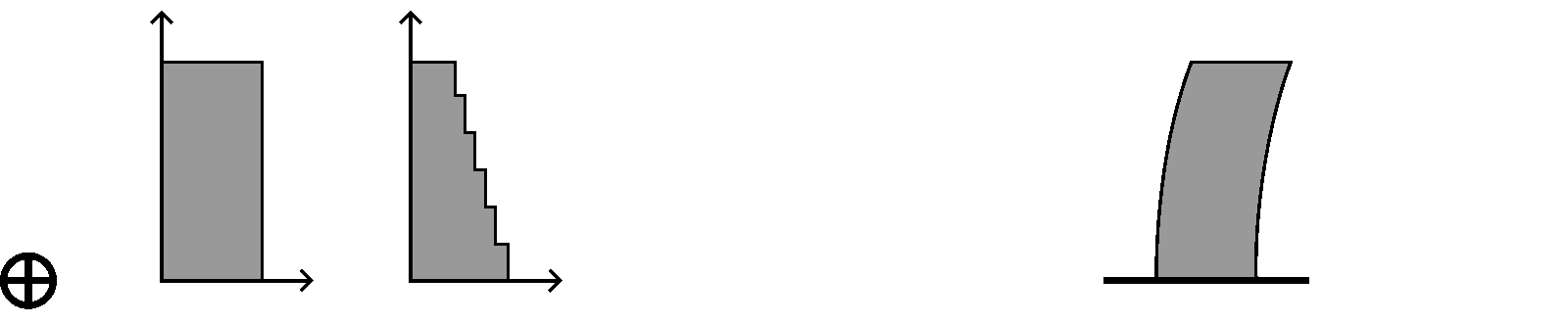
Inappropriate allocation of mass and stiffness in elevation:
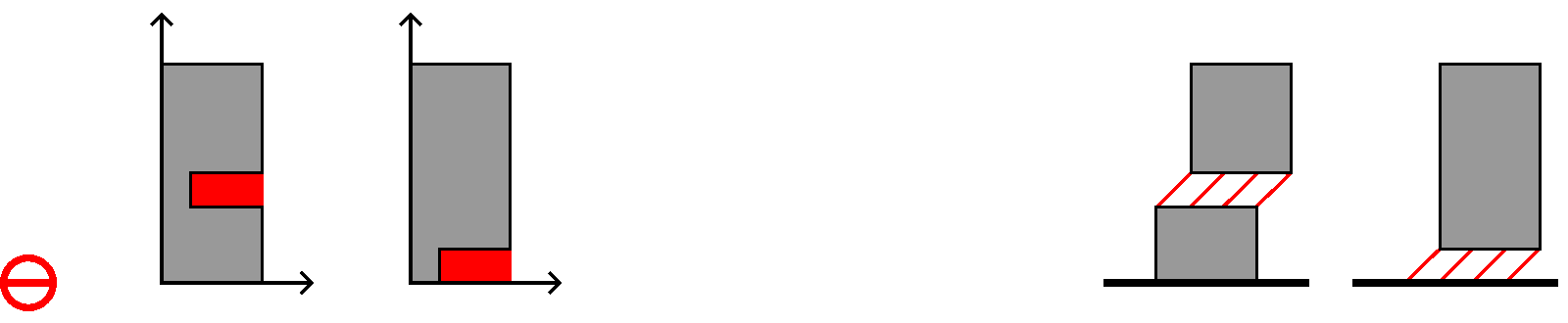
Structural design avoiding soft basements:
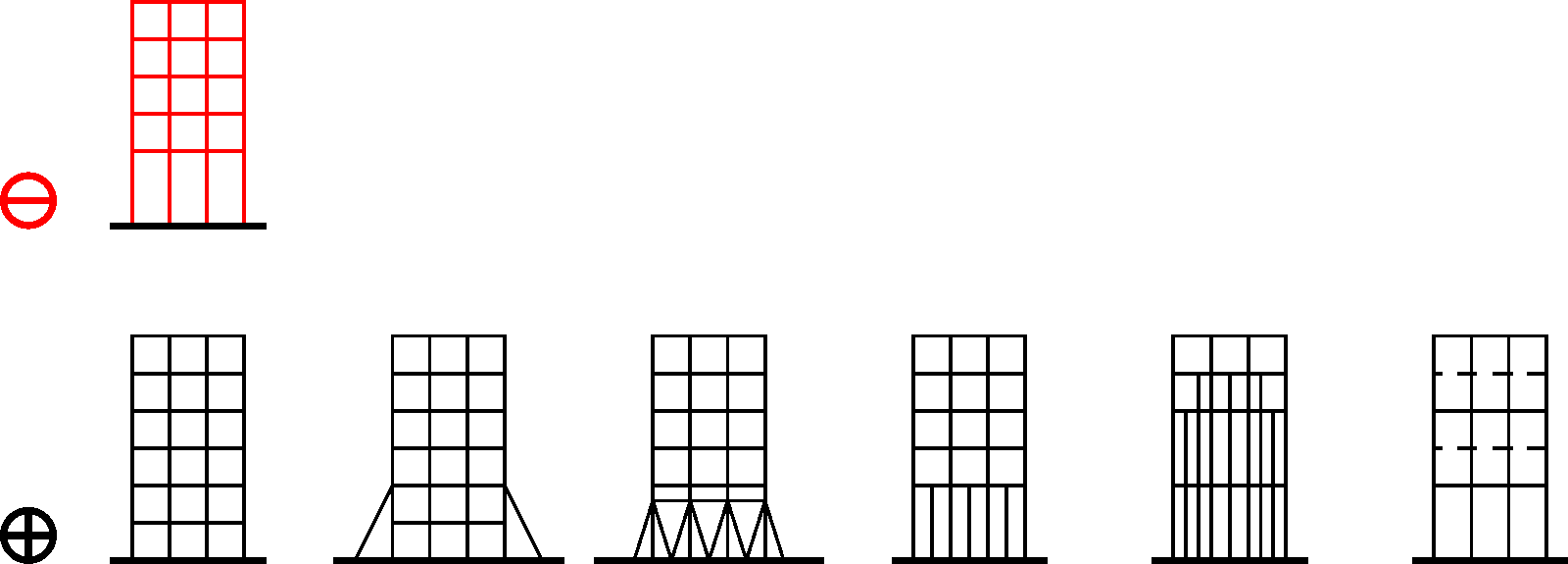
Good box out design:

Box out design to avoid:

Favourable allocation of mass and stiffness in the ground plan:

Inappropriate allocation of mass and stiffness in the ground plan:

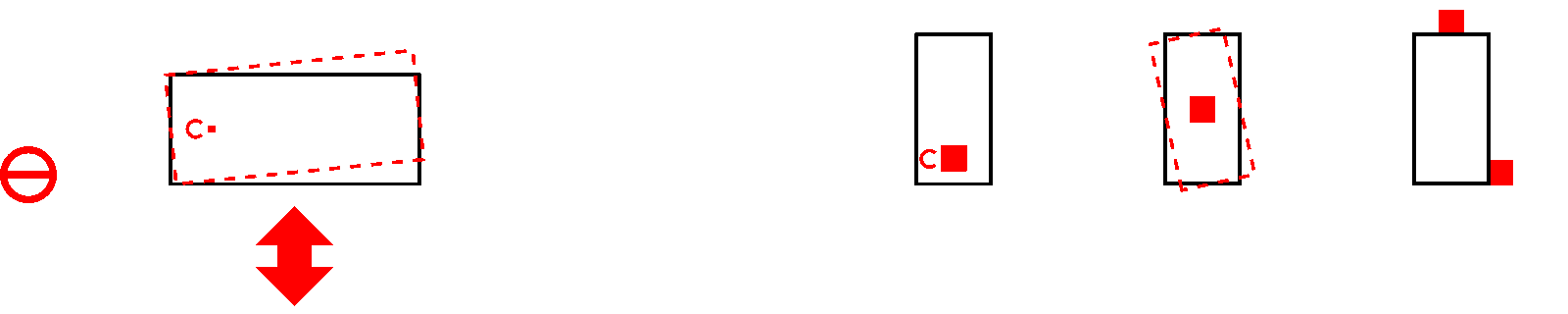
Appropriate center of gravity:
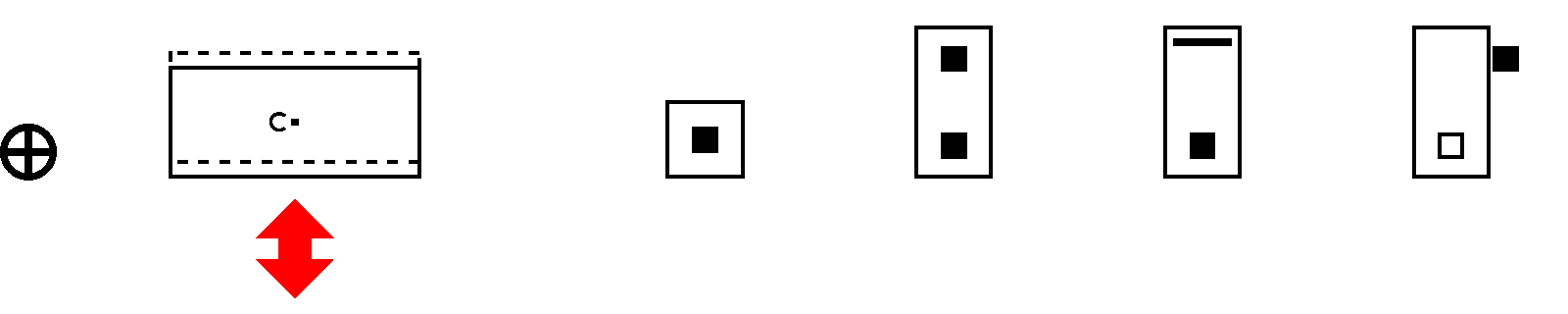
Inappropriate allocation of masses:
Ductile mechanism of a framework:
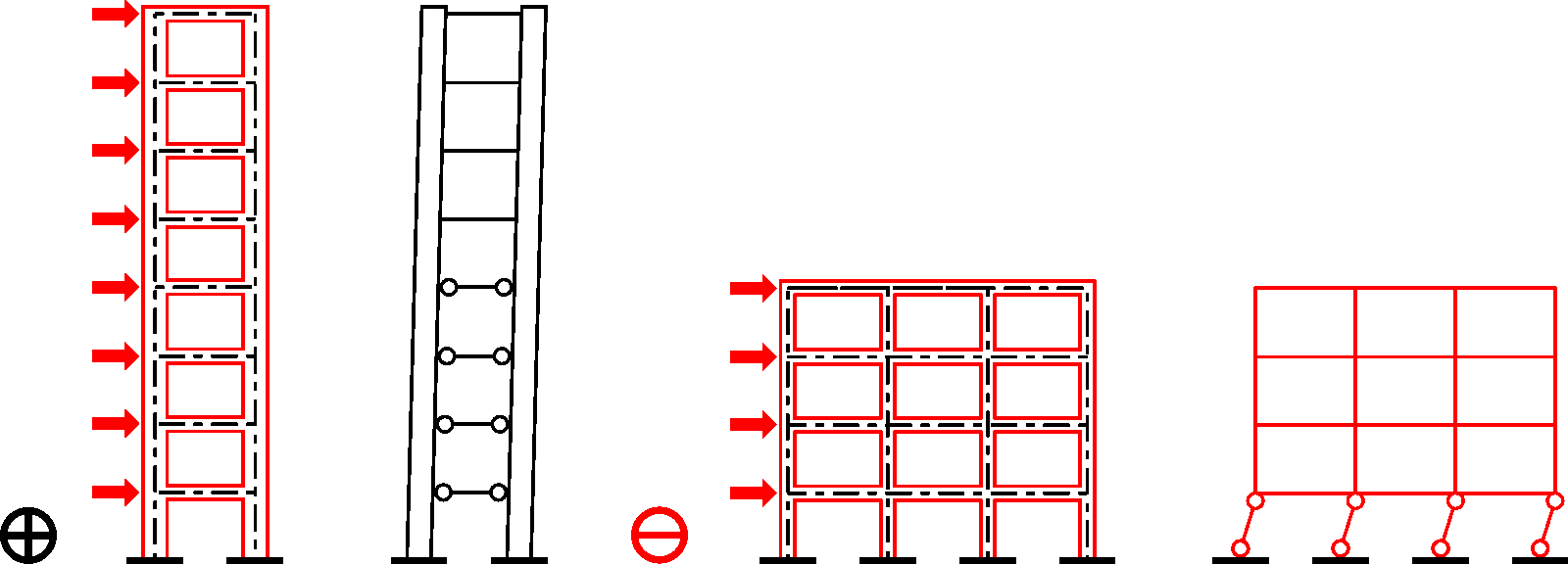
Continous design and bend-proof slab interconnection compared to the disadvantageous characteristics of a slab offset:

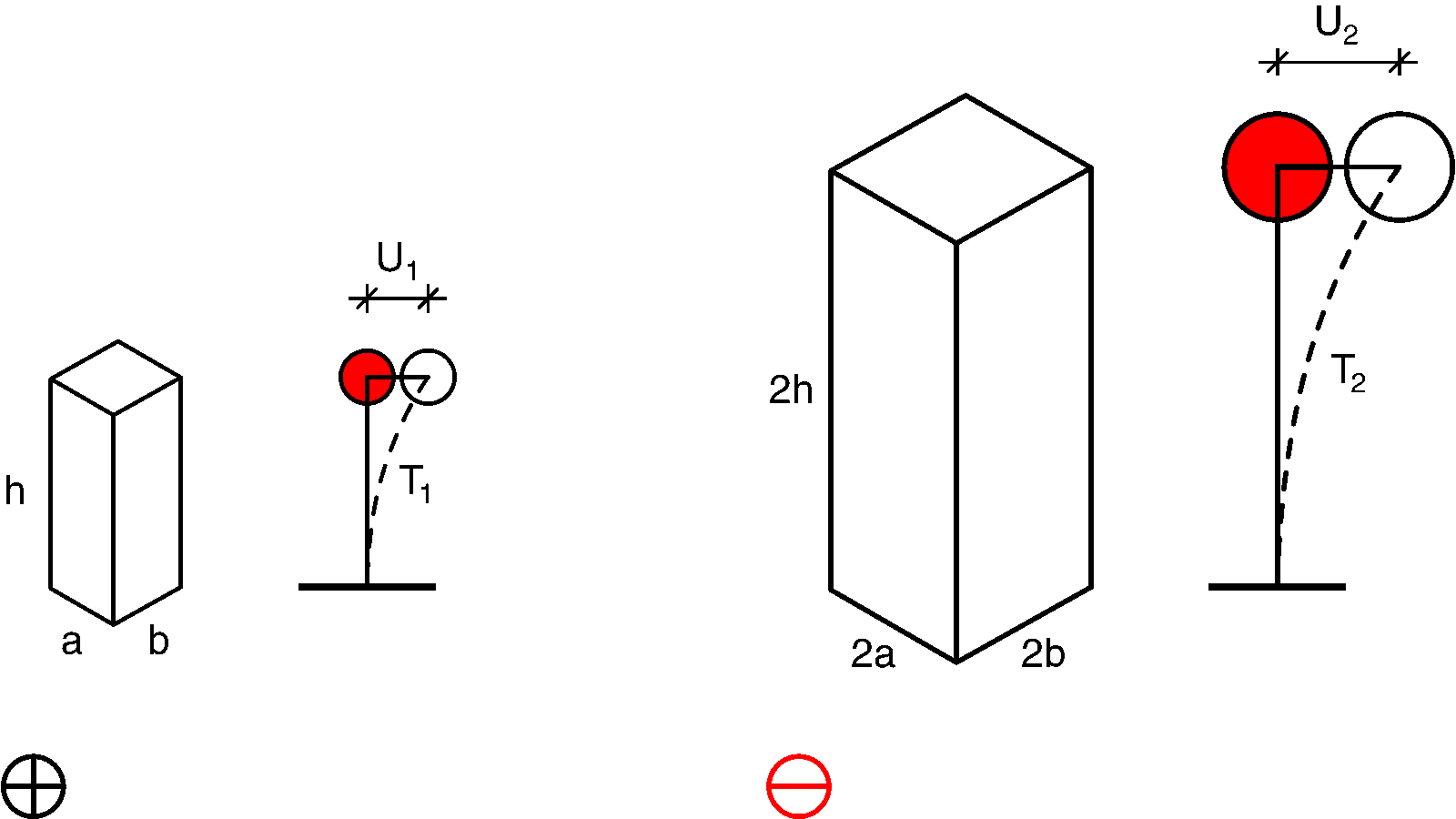
Frontispiece: Dynamic shaping of two buildings with different size: Dynamic equivalence (T1=T2) is only existent if both buildings are made from the same material and completely solid. In reality the mass of the bigger building is higher while its stiffness is smaller than that of the small one. To achieve dynamic equivalence, the mass of the small building has to multiply. Furthermore, in small scale buildings lightweight materials like wood may be used and the whole bearing structure can be buttressed homogenous because of smaller span widths. Neglecting the rules of EQ compliant design results in less severe damages in small buildings. If design rules are disregarded, the powers of EQs cause much higher reparation costs than for a building constructed in a suitable design.
Go on reading here about:
→ EQ Safe Architecture,
EQ Safe Buildings,
EQ Safe Construction,
EQ Safe Design and
EQ Safe Engineering ['5MB'].